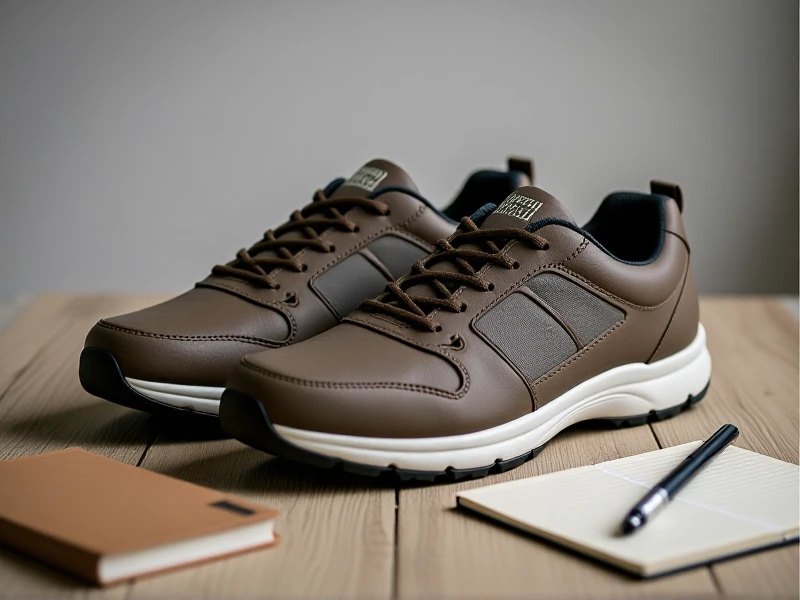
Why the Right Work Shoes Are Essential For Safety & Comfort
Footwear matters profoundly in physically demanding jobs. Each year, thousands suffer preventable workplace injuries directly related to inadequate work shoes. From slippery surfaces to heavy falling objects, feet face constant hazards. Choosing the right protective footwear isn't just about compliance; it’s an investment in your health and productivity on the job.
The core purpose of quality work shoes or workwear boots is protection. Key features include:
- Safety Toes: Essential defense against crushing injuries. Look for ASTM-approved steel toe, lightweight alloy, or non-metal composite toe caps suitable for your specific risk level.
- Puncture Resistance: A protective midsole layer guards against sharp objects like nails or glass piercing through the sole – a critical layer often required in construction zones.
- Slip Resistance: Outsoles with specialized tread patterns and non-slip rubber compounds provide grip on wet, oily, or otherwise slippery surfaces common in kitchens, hospitals, and factories.
- Electrical Hazard Protection: Specific footwear offers insulation against accidental contact with open electrical circuits.
- Comfort & Support: You're on your feet all day! Proper cushioning, arch support, moisture-wicking linings, and ergonomic designs reduce fatigue and lower the risk of long-term musculoskeletal issues, whether you're wearing heavy work boots or supportive slip-resistant shoes.
Ignoring these features risks slips and falls, puncture wounds, crush injuries, or debilitating strains. Employers may mandate specific safety standards, making non-compliant work shoes unacceptable and unsafe. Furthermore, uncomfortable footwear leads to distraction, reduced focus, and lower output.
What should you consider when choosing the best work shoes?
- Job Requirements: Analyze the specific dangers in your work environment (impact, chemicals, heat, slip hazards?).
- Safety Ratings: Ensure footwear meets relevant safety standards (ASTM, CSA, ISO) for your job's risks.
- Fit is Paramount: Safety features mean nothing if the boot is too tight or too loose. Get measured properly, considering work socks. Ample toe room and good heel stability are crucial.
- Material: Consider durability needs versus weight. Leather offers rugged protection and breaks in over time; synthetic materials are often lighter and require less break-in. Waterproof or water-resistant options matter in wet conditions.
- Comfort Technologies: Don't overlook cushioning, shock absorption, and breathability. Features like memory foam insoles or EVA midsoles significantly improve all-day wearability.
Don't compromise your safety by treating protective footwear as an afterthought. The right pair of work shoes, whether rugged work boots or supportive non-slip occupational shoes, actively prevents injuries, significantly enhances comfort during long shifts, and ultimately helps you perform your best safely. Protecting your feet is protecting your livelihood. Prioritize safety, demand comfort, and choose wisely.